Japanese Robot: The Ultimate Angular Display Font Review
If you are searching for a typeface that instantly commands attention with its futuristic, mechanical aesthetic, the Japanese Robot free download is likely the resource you have been looking for. This angular, robot-like font draws heavy inspiration from Japanese Katakana characters, creating a visual language that feels both ancient and hyper-modern. For designers seeking to add a distinct, tech-forward edge to their projects, the Japanese Robot font download provides an accessible entry point into high-impact typography. Whether you need to download Japanese Robot font free for a personal passion project or evaluate it for a major client campaign, understanding its capabilities is essential for modern design workflows.
What is Japanese Robot?
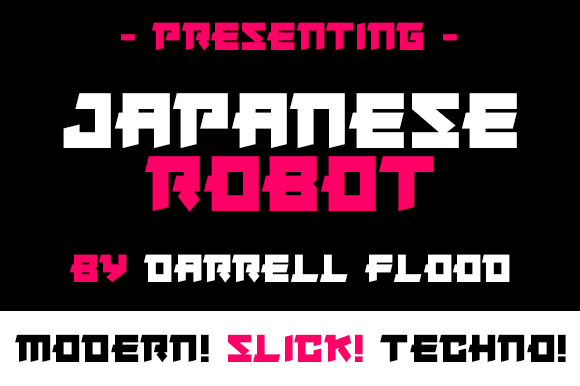
Japanese Robot belongs to the Display category of fonts, meaning it is designed to be read at large sizes rather than in long body text paragraphs. It captures the geometric precision of mecha designs found in anime and sci-fi media while retaining the structural integrity of traditional Japanese calligraphy. The font’s unique selling point lies in its sharp angles and disjointed letterforms, which mimic the segmented armor of a robotic entity. By opting for a free Display font for Fonts enthusiasts, creators can access a versatile tool that bridges the gap between cyberpunk aesthetics and minimalist modernism.
Design & Style Analysis
The visual personality of Japanese Robot is defined by its aggressive geometry and lack of curves. Every stroke is deliberate, contributing to a mood that is authoritative, industrial, and slightly intimidating. This makes it a standout choice among best Display fonts for use case scenarios requiring immediate visual impact.
Letterforms and Geometry
The letterforms are constructed from straight lines and acute angles, avoiding the softness of rounded sans-serifs. This geometric purity gives the typeface a clean, technical feel. When analyzing Japanese Robot vs similar font options in the market, this specific angularity sets it apart. While many tech-inspired fonts rely on thin, delicate lines, Japanese Robot maintains a robust presence, ensuring legibility even when stylized with effects like glitching or metallic gradients.
Weight and Spacing
The weight distribution is generally bold, providing excellent contrast against lighter backgrounds. However, the spacing (tracking) requires careful adjustment. Because the characters are angular, tight kerning can cause the letters to visually collide, losing their robotic charm. Designers should allow ample breathing room around the text to let the unique shapes shine. This consideration is vital when evaluating any premium Display font intended for headline work.
Best Uses for Japanese Robot
Due to its striking appearance, Japanese Robot is not suitable for body copy. Instead, it excels in contexts where brevity and impact are paramount. Here are several professional applications where this typeface truly shines.
Japanese Robot for logo design
For brands operating in the technology, gaming, or automotive sectors, using Japanese Robot for logo design can convey innovation and strength. The font’s mechanical nature aligns perfectly with logos that want to appear engineered and precise. Its angular cuts also make it ideal for monogram logos where space is limited but character is required.
Japanese Robot for branding
When building a brand identity, consistency is key. Using Japanese Robot for branding helps establish a cohesive visual language across business cards, letterheads, and digital assets. It works particularly well for startups in the AI, cybersecurity, or robotics industries, as it immediately signals a forward-thinking mindset to potential customers.
Japanese Robot for posters/social media/packaging
In the realm of marketing materials, Japanese Robot for posters/social media/packaging offers a way to break through the noise. On social media feeds, where users scroll quickly, the bold, blocky letters grab attention. Similarly, on product packaging for electronics or energy drinks, the font adds a layer of premium quality and excitement.
Japanese Robot for wedding invitations/cards/typography
While unconventional, using Japanese Robot for wedding invitations/cards/typography can create a stunning, avant-garde look for couples seeking a non-traditional theme. Imagine a modern, architectural wedding with neon accents; this font would complement such a setting beautifully, offering a unique twist on classic stationery.
Font Pairing & Combinations
One of the most common questions designers ask is what fonts pair well with Japanese Robot? Because Japanese Robot is so dominant visually, it needs a calm, neutral partner to balance the composition. You want to avoid pairing it with another busy or decorative font, which would create visual chaos.
For effective Japanese Robot font pairing, consider the following combinations:
- Serif + Sans-Serif: Pair Japanese Robot headlines with a clean, humanist sans-serif like Helvetica or Open Sans for body text. This creates a strong hierarchy and ensures readability.
- Minimalist Body Text: Use a light weight grotesque sans-serif for secondary information. The contrast between the heavy, angular display font and the light, smooth body text creates a sophisticated tension.
- Monospace Accents: For a coding or tech-heavy vibe, pair Japanese Robot with a monospace font like Courier or Roboto Mono. This reinforces the "robotic" theme without competing for attention.
Licensing & Commercial Use
Before implementing Japanese Robot in a client project, it is crucial to understand the legal implications. Many designers search for a professional Fonts font that is safe to use commercially without risking lawsuits. The question is Japanese Robot free for commercial use depends entirely on the specific license granted by the creator or distributor.
Typically, fonts available for Japanese Robot free download may come with restrictions. Some licenses allow for personal use only, meaning you cannot use the font in products sold for profit. Others may permit commercial use provided you attribute the designer or purchase a separate license. Always check the Japanese Robot font license document carefully. If you plan to use the font in a logo, merchandise, or paid advertising, securing a proper license is often necessary to protect your business.
How to Download & Use Japanese Robot
Getting started with Japanese Robot is straightforward. To download Japanese Robot font free, visit reputable font repositories such as DaFont, FontSquirrel, or CreativeFabrica. These platforms often host free Display font for Fonts collections that are regularly updated.
Once downloaded, you can install the font file (.ttf or .otf) directly onto your computer. For those wondering how to use Japanese Robot in Canva/Word/Photoshop, the process is universal:
- Install the font on your operating system.
- Restart your design application (Canva, Microsoft Word, Adobe Photoshop).
- Select Japanese Robot from the font dropdown menu.
- Apply the type to your text box and adjust size and color as needed.
This ease of integration makes it a valuable addition to any font bundle or font pack you might assemble for future projects.
Designer Notes & Tips
As a final piece of advice, always test your typography in black and white before adding color. This ensures that the shape and structure of Japanese Robot hold up without relying on gimmicky effects. Additionally, review spacing meticulously; the angular nature of the font means that small adjustments in kerning can significantly alter the reading experience.
When comparing Japanese Robot vs similar font alternatives, remember that no two typefaces are identical. Japanese Robot offers a specific blend of Japanese influence and mechanical rigidity that is hard to replicate. By paying attention to these details, you can leverage this premium Display font to create designs that are not only visually striking but also professionally executed.